
GFRP Rebar for Marine & Coastal Construction
Seawalls, Jetties, Ports & Coastal Bridges
Home
Service Details
What Is Marine-Grade GFRP Rebar?
GFRP rebar (Glass Fiber Reinforced Polymer) is a non-metallic composite reinforcement engineered to replace steel in marine and coastal construction. Made from high-strength glass fibers bound in a corrosion-resistant polymer resin, GFRP rebar is completely immune to the electrochemical corrosion that destroys steel-reinforced concrete in saltwater environments.
In splash zones, tidal zones and permanently submerged marine structures, chloride ingress attacks steel reinforcement within 10–15 years — no matter how good the concrete cover. Because GFRP rebar contains no metal, chloride-induced corrosion simply does not occur, allowing seawalls, jetties, piers and coastal bridges to be designed for a 100+ year service life with negligible repair cost.
TetsRebarX supplies marine-grade GFRP rebar across India — from Gujarat’s Kandla and Mundra ports to Mumbai, Chennai, Visakhapatnam and Kochi — for ports, seawalls, breakwaters, fishing harbours and sea-facing structures. For the engineering background, read our detailed guide on GFRP rebar for coastal and marine construction in India.
- 100% Corrosion & Chloride Resistant
- 100+ Year Marine Service Life
- 2x Tensile Strength of Steel
- 75% Lighter Than Steel
- Zero Maintenance in Splash Zones
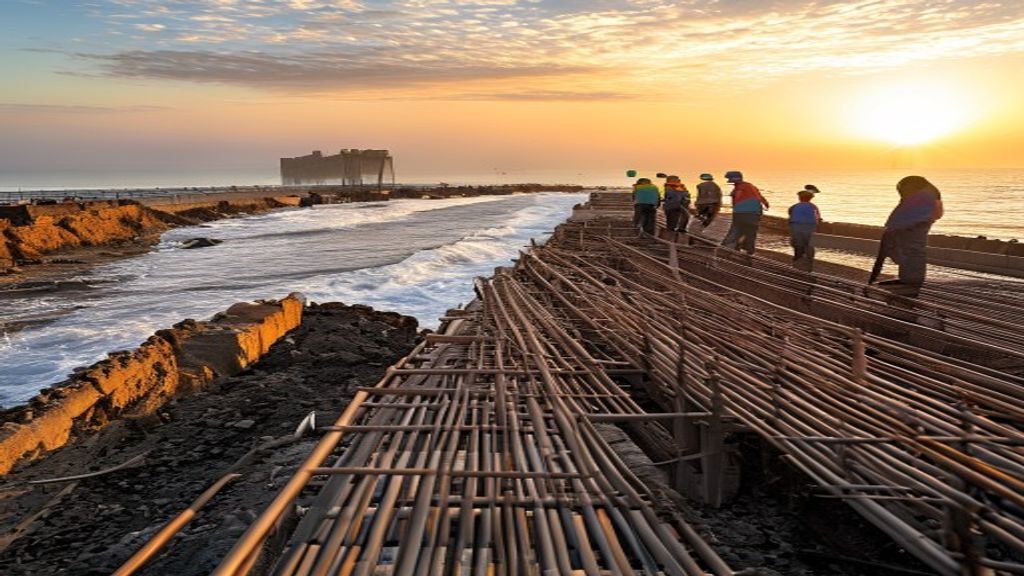
Advantages of GFRP Rebar in Marine & Coastal Construction
Total Immunity to Saltwater Corrosion
100+ Year Design Life, Near-Zero Maintenance
Non-Conductive & Chemically Inert
75% Lighter with Superior Tensile Strength
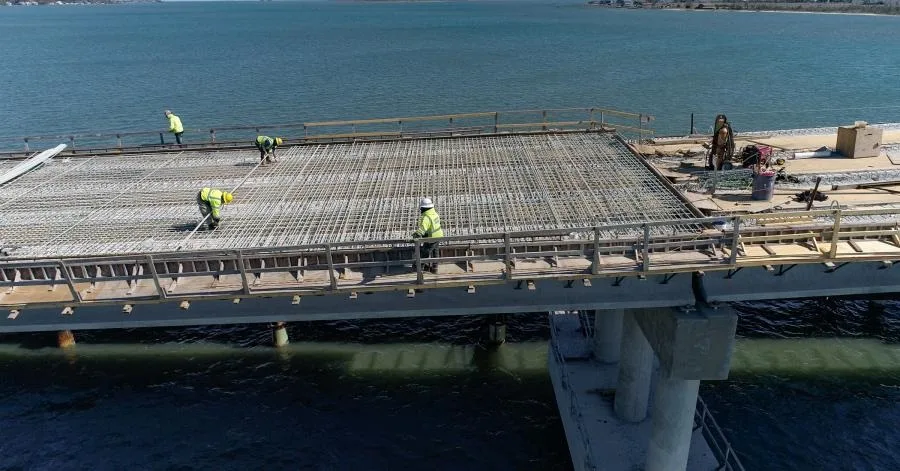
Key Marine & Coastal Applications of GFRP Rebar
Seawalls, Breakwaters & Revetments
Jetties, Piers, Wharves & Port Structures
Coastal Bridges & Sea-Facing Structures
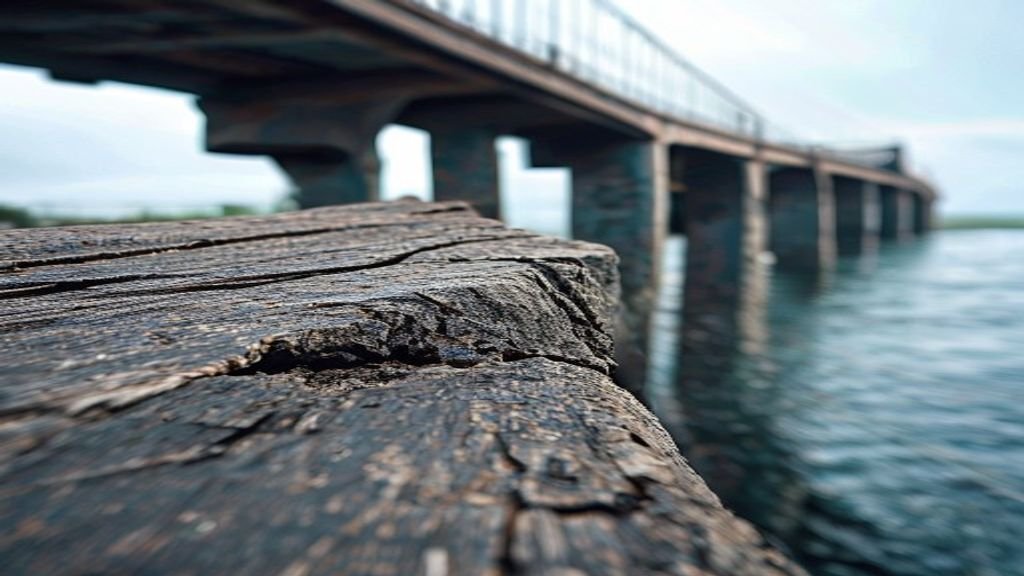
Why GFRP Rebar Is the Right Choice for India’s Coastline
India has more than 7,500 km of coastline, and steel-reinforced concrete along it fails fast. High salinity, humidity, monsoon cycling and airborne chlorides corrode conventional steel rebar long before design life is reached — driving permanent repair budgets for ports, seawalls, jetties and coastal highways.
Marine-grade GFRP rebar removes that failure mode entirely. The upfront material cost is higher than steel, but the lifecycle cost is substantially lower: fewer repairs, no cathodic protection, no epoxy coating, and structures that stay in service for 100 years instead of 30. For Sagarmala port works, fishing harbour upgrades, coastal highway projects and private waterfront developments across India, GFRP rebar is the reinforcement that actually matches the environment.
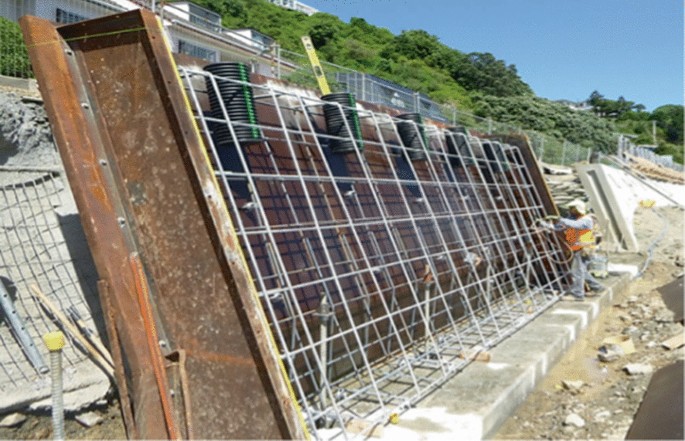
Build Marine Structures That Outlast Steel
GFRP rebar gives marine and coastal projects what steel cannot: complete corrosion immunity, a 100+ year design life, and far lower maintenance across the life of the asset. From seawalls and breakwaters to jetties, port decks and coastal bridges, it is reinforcement built specifically for saltwater exposure.
TetsRebarX manufactures and supplies certified GFRP rebar across India in 6mm to 32mm diameters, with test certificates and project-specific technical support. See GFRP rebar pricing in India, or send us your drawings or BOQ and we will quote marine-grade GFRP rebar for your project.

Planning a Marine or Coastal Project?
Get a project-specific quote for marine-grade GFRP rebar — diameters, test certificates, lead times and delivery anywhere in India. Share your drawings or BOQ and our technical team will respond within 24 hours.