
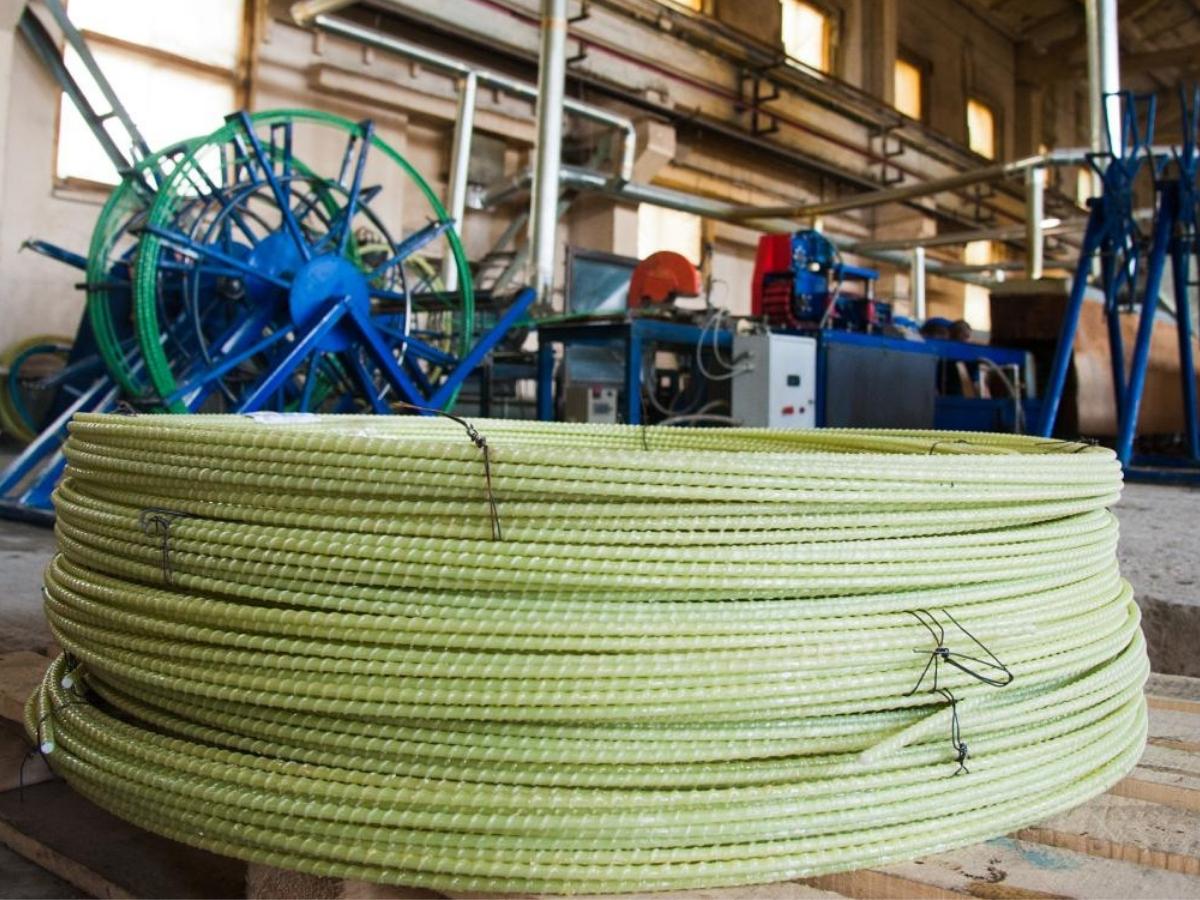
What Is GFRP Rebar?
Glass Fiber Reinforced Polymer (GFRP) rebar is a next-generation composite reinforcement solution developed to replace conventional steel rebars in modern infrastructure projects. Manufactured using high-strength glass fibers combined with durable polymer resins, GFRP rebars deliver superior corrosion resistance, lightweight handling, and extended service life.
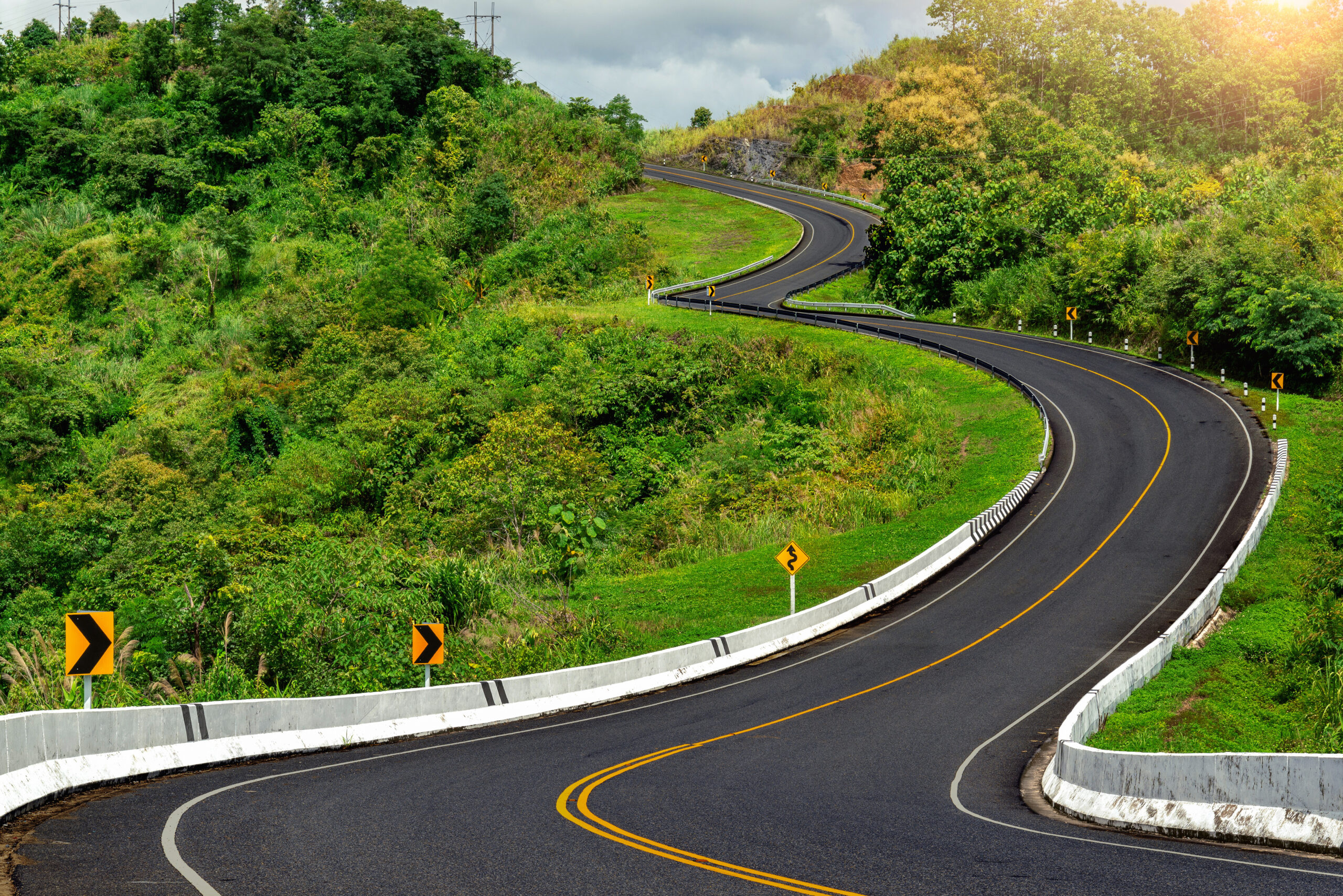
GFRP roads are increasingly used in highway and transport infrastructure projects due to their durability, corrosion resistance, and long service life.
In regions like India, where infrastructure is exposed to coastal salinity, moisture, chemicals, and heavy traffic loads, traditional steel rebars corrode rapidly. GFRP rebars eliminate corrosion-related failures, ensuring higher durability, lower maintenance, and long-term cost savings for roads, bridges, marine structures, and industrial projects.
- Cost-effective over the structure’s life cycle
- High tensile strength with significantly lower weight
- 100% corrosion and rust resistant
- Low maintenance with extended service life
- Ideal for roads, bridges, marine & industrial structures
Advantages of GFRP Roads in Highway Infrastructure
Non-Conductive & Electromagnetically Neutral GFRP Rebar
GFRP rebar is non-conductive and electromagnetically neutral, making it ideal for road construction near sensitive electrical systems, signaling infrastructure, and communication networks. Unlike steel reinforcement, GFRP bars do not cause electromagnetic interference, improving safety and reliability in modern highway and smart road projects.
Sustainable & Eco-Friendly Reinforcement Solution
Manufacturing Glass Fiber Reinforced Polymer (GFRP) rebar requires less energy and produces lower CO₂ emissions compared to traditional steel rebar. Its long service life in road infrastructure reduces frequent replacements, making GFRP rebar a sustainable and eco-friendly choice for highways and transportation projects.
Superior Corrosion Resistance & Long-Term Durability
GFRP rebars are highly resistant to corrosion caused by moisture, de-icing salts, chemicals, and aggressive soil conditions. This ensures longer-lasting road pavements, bridges, and flyovers with significantly reduced maintenance costs.
Lightweight with High Strength-to-Weight Ratio
Compared to steel, GFRP rebar weighs nearly 75% less while delivering excellent tensile strength. Its lightweight nature simplifies transportation and installation in road construction projects, resulting in faster execution and lower overall project costs.

Key Applications of GFRP Rebars
Highway & Rigid Pavement Construction
GFRP rebar in highway construction significantly improves pavement lifespan by reducing crack propagation and eliminating corrosion caused by moisture and de-icing chemicals. This results in fewer maintenance cycles, lower lifecycle costs, and longer-lasting road infrastructure.
Bridge Decks & Elevated Road Sections
In coastal, humid, or chemically aggressive environments, GFRP reinforcement provides superior corrosion resistance compared to steel. This ensures long-term structural performance for bridge decks, flyovers, and elevated roadways exposed to salts, moisture, and heavy traffic loads.
Retrofit, Rehabilitation & Overlay Projects
For strengthening or rehabilitating existing roads, GFRP rebars offer a lightweight, high-performance solution that minimizes additional dead load. This allows efficient retrofitting and overlay applications without the need for full-scale reconstruction.
Why GFRP Is a Smart Choice for Indian Infrastructure
In coastal and tropical regions across India, conventional steel reinforcement in roads and bridges is severely affected by corrosion caused by moisture, salinity, and aggressive environmental conditions. These factors lead to frequent repairs, higher maintenance costs, and reduced service life of infrastructure.
Glass Fiber Reinforced Polymer (GFRP) rebar addresses these challenges by offering exceptional corrosion resistance, high durability, and negligible maintenance requirements. Although the initial investment in GFRP-based construction may be higher than steel, the lifecycle cost savings are substantial due to longer lifespan, fewer repairs, and improved structural reliability.
As India continues to invest in sustainable, long-lasting infrastructure, GFRP-reinforced roads, bridges, and transportation networks are well positioned to support future growth. With its superior performance in harsh environments, GFRP rebar enables resilient infrastructure that aligns with India’s long-term development and sustainability goals.


Conclusion
GFRP-reinforced roads and structures provide exceptional strength, durability, and sustainability—making them ideal for modern Indian infrastructure. From highways and bridges to overlays and flyovers, GFRP rebar delivers long-term performance with minimal maintenance.
With superior corrosion resistance and lower lifecycle costs compared to steel, GFRP rebar is a future-ready reinforcement solution for demanding construction environments across India.
Planning to upgrade or design resilient road infrastructure? Partner with Tets RebarX for proven, high-quality GFRP rebar solutions.
CONTACT NOW