Construction Company

GFRP Rebars & GFRP Bars for Infrastructure and Construction

Corrosion-free. Lightweight. High Strength. An advanced alternative to traditional steel rebar for long-lasting, high-performance infrastructure.

GFRP Rebars
Next-Generation Reinforcement Technology

What Is GFRP Rebar?

Glass Fiber Reinforced Polymer (GFRP) rebar is an advanced non-metallic reinforcement solution engineered to replace traditional steel reinforcement in modern concrete structures.

Manufactured using high-strength glass fibers embedded within a durable, corrosion-resistant polymer matrix, GFRP reinforcement bars belong to the family of composite rebars and deliver superior durability, lightweight performance, and long-term structural reliability.

Unlike conventional steel, corrosion resistant rebars made from GFRP do not rust, degrade, or chemically react with moisture, salts, or aggressive agents. This makes them highly suitable as marine construction rebars, as well as for coastal infrastructure, tunnels, wastewater facilities, and underground projects.

As advanced FRP reinforcement and non-metallic reinforcement bars, GFRP rebars are increasingly specified for highways, flyovers, and bridge reinforcement materials where durability, low maintenance, and extended service life are critical.

With a high strength-to-weight ratio and minimal lifecycle maintenance requirements, GFRP rebar significantly reduces long-term ownership costs while enhancing the performance and sustainability of concrete infrastructure—making it a future-ready solution for resilient construction.

Infrastructure Applications

What Are GFRP Bars Used For?

Glass fiber reinforced polymer rebar (GFRP rebar) is a next-generation, non-metallic reinforcement solution widely used in modern concrete construction. These corrosion resistant rebars offer high tensile strength, lightweight handling, and long-term durability, making them a superior alternative to traditional steel reinforcement in demanding infrastructure environments.

Roads, Highways & Pavements

GFRP reinforcement bars are extensively used in rigid pavements, highways, expressways, and concrete road projects where corrosion resistance, crack control, and extended service life are critical. These composite rebars reduce maintenance costs and improve pavement durability.

Bridges, Flyovers & Bridge Decks

As advanced bridge reinforcement materials, GFRP bars prevent deterioration caused by moisture, de-icing salts, and heavy traffic loads. Their corrosion-free performance ensures long-term structural integrity and lower lifecycle costs for bridges and flyovers.

Tunnels & Underground Construction

In tunnels, metro rail systems, basements, and underground utilities, FRP reinforcement provides durable, non-corrosive support in confined and moisture-rich environments where conventional steel rebars typically fail over time.

Marine & Coastal Structures

Marine construction rebars made from GFRP are ideal for ports, jetties, seawalls, coastal bridges, and waterfront developments exposed to saltwater, humidity, and aggressive marine conditions that rapidly corrode steel.

Industrial & Chemical Facilities

Composite rebars are widely used in chemical plants, wastewater treatment facilities, and industrial floors where resistance to chemicals, moisture, and harsh operating environments is essential for long-term performance.

Power, Energy & Sensitive Structures

Non-metallic reinforcement bars with non-conductive and non-magnetic properties are preferred for power plants, substations, MRI rooms, data centers, and energy infrastructure requiring electromagnetic neutrality and safety.

Call Us And Get It Done Call Us And Get It Done Call Us And Get It Done Call Us And Get It Done
10+ Years of Industrial Experience 10+ Years of Industrial Experience 10+ Years of Industrial Experience 10+ Years of Industrial Experience
Engineering Excellence

Technical Specifications of
GFRP Rebars

Glass Fiber Reinforced Polymer (GFRP) rebars are next-generation reinforcement solutions designed for modern infrastructure. Manufactured using high-strength glass fibers bonded with advanced polymer resins, GFRP rebars overcome the corrosion and durability limitations of conventional steel reinforcement.

With high tensile strength, lightweight handling, and complete resistance to corrosion, GFRP rebars are widely used in highways, bridges, pavements, tunnels, marine structures, and industrial foundations exposed to aggressive environments.

Engineering Outcome: Reliable, low-maintenance reinforcement that improves structural durability while reducing long-term lifecycle costs.
01

High Tensile Strength

Provides excellent load-bearing performance for highways, pavements, bridges, foundations, and heavy-duty concrete structures.

02

Lightweight & Efficient

Nearly one-quarter the weight of steel, enabling easier transportation, faster installation, and reduced construction costs.

03

Corrosion-Free & Non-Conductive

Resistant to rust, chemicals, moisture, and salts. Non-magnetic and electrically neutral for sensitive environments.

04

Thermal Compatibility

Compatible thermal expansion with concrete reduces internal stresses and enhances long-term structural stability.

05

Extended Service Life

Designed for long-lasting performance with minimal maintenance in coastal, marine, and aggressive environments.

06

Low Lifecycle Cost Advantage

Lower repair and maintenance requirements result in reduced total lifecycle costs compared to conventional steel reinforcement.

OPTIMIZED & INDUSTRY-READY SOLUTIONS

Advantage of GFRP Rebar Over Steel

GFRP (Glass Fiber Reinforced Polymer) rebar is a next-generation composite rebar engineered to outperform conventional steel reinforcement in modern infrastructure applications.

One of the most critical advantages of GFRP reinforcement bars is their role as corrosion resistant rebars. Unlike steel, GFRP does not rust or degrade when exposed to moisture, salts, or aggressive chemicals—making it ideal for bridge reinforcement materials, marine construction rebars, coastal infrastructure, and road construction projects.

As non-metallic reinforcement bars, GFRP rebars are approximately one-fourth the weight of steel, allowing easier transportation, faster installation, and reduced labor costs. Despite their lightweight nature, they deliver high tensile strength, excellent fatigue performance, and electromagnetic neutrality.

In summary, GFRP rebar offers a durable, low-maintenance, and sustainable alternative to steel reinforcement, significantly extending the service life and long-term performance of concrete structures across infrastructure sectors.
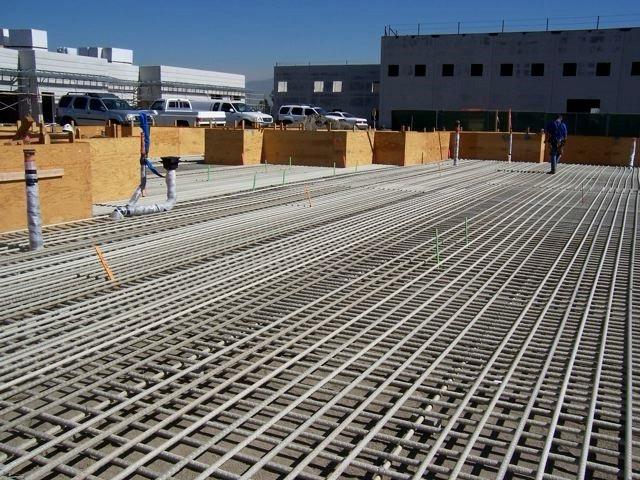
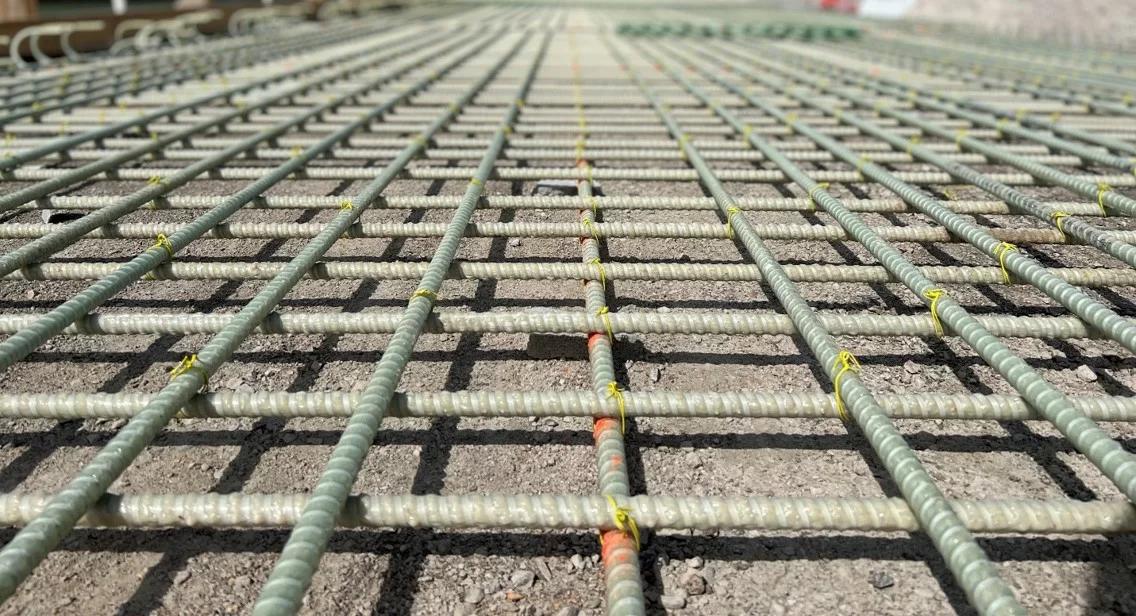
Steel reinforcement used in conventional concrete construction GFRP reinforcement bars used as corrosion resistant composite rebars

Application Examples

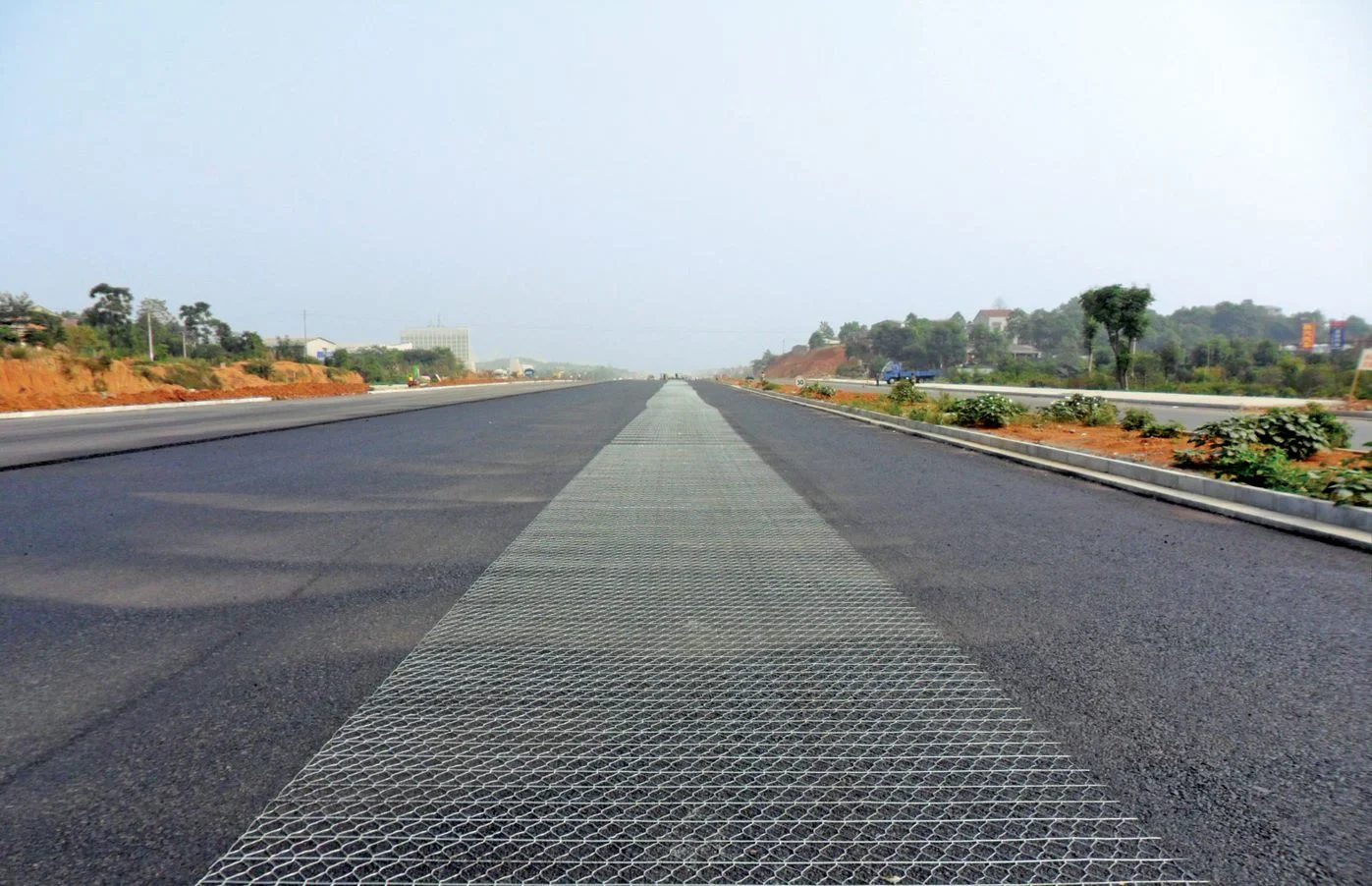
GFRP rebar used in road and transportation infrastructure

Transportation Infrastructure

GFRP rebars are widely used in highways, rigid pavements, flyovers, and road decks due to their corrosion resistance and long service life in heavy-traffic conditions.
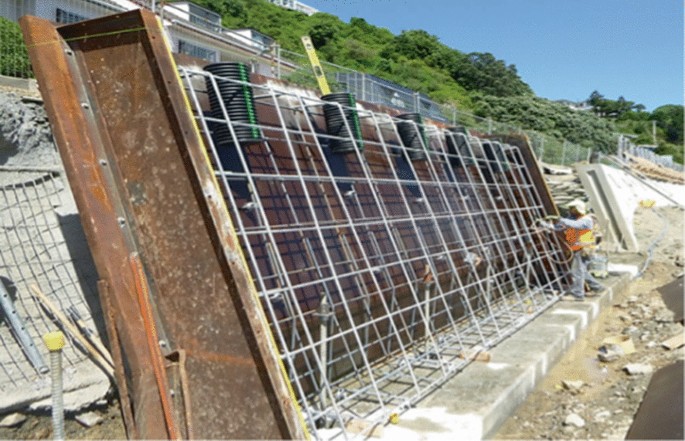
GFRP reinforcement for marine and coastal structures

Marine & Coastal Structures

In aggressive coastal and marine environments, GFRP rebar eliminates corrosion caused by saltwater, ensuring durable performance in ports, jetties, and seawalls.
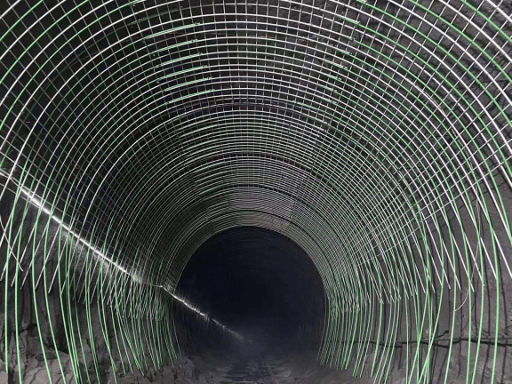
GFRP rebar in tunnel and underground construction

Tunnel & Underground Construction

GFRP rebars are ideal for tunnels and underground structures due to their non-conductive and corrosion-free properties in moist and confined environments.

GFRP rebar used in industrial concrete foundations

Industrial Facilities

Industrial floors and foundations benefit from GFRP rebar’s chemical resistance, high strength, and reduced maintenance in harsh operating conditions.
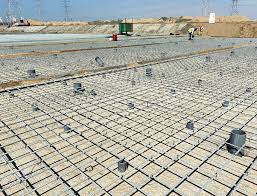
GFRP rebar in residential and commercial construction

Commercial & Residential Construction

GFRP rebars improve structural durability in residential and commercial buildings, offering lightweight handling and extended lifespan compared to steel.
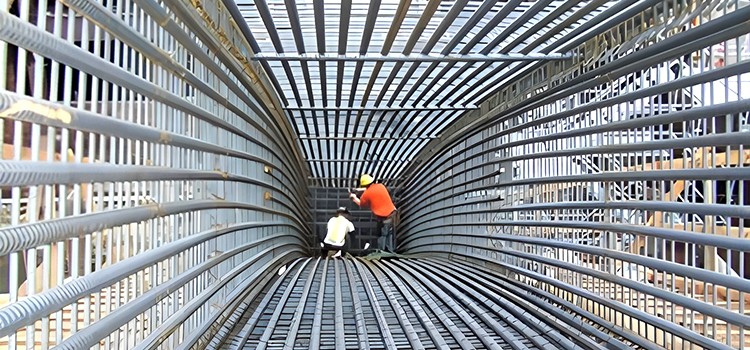
GFRP reinforcement for power and energy infrastructure

Power & Energy Infrastructure

With electromagnetic neutrality and corrosion resistance, GFRP rebars are ideal for power plants, substations, and energy-related infrastructure projects.

GFRP Rebars vs Steel (TMT)

Next-generation engineering materials for India's future infrastructure.

Feature GFRP Rebars Steel (TMT)
Corrosion Absolutely corrosion-proof Rusts & weakens over time
Weight 4–7x lighter, quick installation Heavy & labor intensive
Service Life 100+ Years (maintenance-free) 20–40 years (frequent repairs)
Tensile Strength High strength-to-weight ratio Lower, prone to deformation
Chemical Resistance Excellent for coastal & marine Poor in chemical environments
Electrical Conductivity Non-conductive, shock-safe Conductive & risky
Thermal Conductivity Low heat transfer High heat transfer
Overall Cost Lower lifecycle cost (0 maintenance) High maintenance & repairs

India’s leading infrastructure companies are rapidly shifting to GFRP Rebars due to unmatched durability, zero rust, light weight, and superior strength. TetsRebarX delivers ASTM-certified GFRP solutions designed for bridges, metros, airports, coastal structures, and mega engineering projects.

Quality Assurance Framework

Standards, Quality
& Compliance

At TETS RebarX, quality is not a checkbox—it is a controlled engineering discipline. Every glass fiber reinforced polymer rebar manufactured by us is produced under rigorously monitored systems aligned with globally recognized standards for GFRP reinforcement bars and FRP reinforcement.

As non-metallic reinforcement bars, our composite rebars are engineered to deliver consistent mechanical performance without the risks associated with corrosion. From raw material selection to final inspection, each production batch undergoes systematic testing to ensure dimensional accuracy, tensile strength, and long-term durability in demanding infrastructure and environmental conditions.

This compliance-driven manufacturing approach makes TETS RebarX corrosion resistant rebars suitable for bridge reinforcement materials, marine construction rebars, tunnels, metros, industrial structures, and other critical infrastructure where conventional steel reinforcement often fails.

Engineering Confidence Built to meet regulatory expectations, lifecycle performance criteria, and approval benchmarks across infrastructure, EPC, and government construction projects requiring reliable GFRP reinforcement solutions.

ASTM-Aligned GFRP Reinforcement Bars

Our GFRP reinforcement bars are manufactured in accordance with internationally accepted ASTM performance benchmarks for FRP reinforcement and composite rebar systems.

ISO

ISO-Compliant Composite Rebar Manufacturing

ISO-certified quality management systems ensure traceability, consistency, and repeatable performance for non-metallic reinforcement bars used in infrastructure applications.

TEST

Validated Performance for Infrastructure Use

Each batch of glass fiber reinforced polymer rebar is tested for tensile strength, bond characteristics, and durability in alignment with guidelines from the ACI under aggressive exposure, vibration, and load conditions.

GOV

Approved for Bridges, Marine & Public Projects

Suitable for public-sector, EPC, metro, tunnel, and marine construction rebar applications where corrosion-free, long-life bridge reinforcement materials are mandatory, following infrastructure acceptance practices referenced by the FHWA.

Infrastructure Solutions

Why GFRP Rebars Are Ideal for Bridges and Tunnels

Bridge decks, tunnels, and underground infrastructure demand reinforcement materials capable of withstanding moisture, chemicals, vibration, and continuous heavy loading. Conventional steel rebars often fail in such environments due to corrosion and long-term degradation.

Glass Fiber Reinforced Polymer (GFRP) rebars provide a proven alternative for critical infrastructure projects. Their corrosion resistance, lightweight handling, and extended service life make them ideal for bridge decks, tunnel linings, metro corridors, marine piles, and underground construction.

Designed for durability where conventional steel reinforcement reaches its limits.
  • Marine & Coastal Performance Excellent resistance to moisture, salts, and chemical exposure.
  • Lower Lifecycle Costs Minimal maintenance and reduced long-term repair expenses.
  • Underground Durability Reliable performance in confined and moisture-prone structures.
  • Seismic & Vibration Suitability Ideal for tunnels, metros, and vibration-sensitive infrastructure.
Why Choose Us

Why Choose TETS RebarX GFRP Rebars?

TETS RebarX delivers next-generation Glass Fiber Reinforced Polymer (GFRP) rebars engineered to meet the demanding performance requirements of modern infrastructure. Our GFRP reinforcement solutions are designed to outperform conventional steel rebars by eliminating corrosion, minimizing maintenance, and extending structural service life.

Backed by advanced manufacturing, strict quality control, and deep infrastructure expertise, TETS RebarX GFRP rebars are trusted for highways, bridges, tunnels, marine structures, industrial facilities, and government-approved construction projects across India.

01

Corrosion-Free Performance

TETS RebarX GFRP rebars are completely resistant to rust, moisture, chemicals, and de-icing salts—making them ideal for coastal, marine, underground, and aggressive environments where steel fails.

02

High Strength with Lightweight Handling

With high tensile strength and nearly one-quarter the weight of steel, our GFRP rebars simplify transportation, reduce installation time, and lower labor and equipment costs on-site.

03

Extended Service Life & Low Maintenance

TETS RebarX GFRP rebars significantly extend the lifespan of concrete structures while minimizing repair, replacement, and lifecycle maintenance costs over decades.

04

Non-Conductive & Non-Magnetic

Electrically non-conductive and magnetically neutral properties make our GFRP rebars suitable for power plants, substations, tunnels, hospitals, and sensitive infrastructure.

05

International Standards & Quality Control

Manufactured under strict quality systems aligned with ASTM and ISO standards, each batch of TETS RebarX GFRP rebars is tested for strength, durability, and dimensional accuracy.

06

Trusted for Infrastructure & EPC Projects

Our GFRP reinforcement solutions are approved and specified for infrastructure, EPC, industrial, and government construction projects requiring reliable long-term performance.

Why TETS RebarX? A future-ready reinforcement partner delivering durable, sustainable, and cost-efficient GFRP rebar solutions for high-performance concrete infrastructure.
Knowledge Base

Frequently Asked Questions About GFRP Rebars

Detailed answers to common questions about Glass Fiber Reinforced Polymer (GFRP) rebars, covering performance, durability, applications, standards, and long-term value for infrastructure projects.

What are GFRP rebars?

GFRP rebars are Glass Fiber Reinforced Polymer reinforcement bars used as a corrosion-resistant alternative to steel. They are manufactured using high-strength glass fibers embedded in a durable polymer resin matrix.

How do GFRP rebars differ from traditional steel rebars?

Unlike steel, GFRP rebars do not rust or corrode. They are lightweight, non-magnetic, electrically non-conductive, and offer a higher strength-to-weight ratio, resulting in longer service life and lower maintenance costs.

Are GFRP rebars suitable for bridges and tunnels?

Yes. GFRP rebars are widely used in bridges, tunnels, metro rail systems, and underground structures due to their corrosion resistance, durability, and ability to perform in moisture- and chemical-exposed environments.

Do GFRP rebars rust or corrode over time?

No. GFRP rebars are completely non-corrosive and unaffected by water, chlorides, de-icing salts, chemicals, or aggressive soil conditions.

Are GFRP rebars stronger than steel?

GFRP rebars offer high tensile strength and excellent strength-to-weight performance. While their elastic behavior differs from steel, they provide superior lifecycle performance in corrosive environments.

Can GFRP rebars be used in marine and coastal projects?

Yes. GFRP rebars are ideal for marine and coastal structures such as ports, jetties, seawalls, and coastal bridges where steel reinforcement is prone to rapid corrosion.

Are GFRP rebars compliant with international standards?

GFRP rebars are manufactured in accordance with recognized international standards such as ASTM guidelines and are tested for tensile strength, bond performance, and long-term durability.

Is special handling required for GFRP rebars?

GFRP rebars are lightweight and easier to handle than steel. Standard construction tools can be used, and their reduced weight improves site safety and installation efficiency.

Are GFRP rebars cost-effective compared to steel?

While the initial material cost may be higher, GFRP rebars significantly reduce lifecycle costs by minimizing corrosion-related repairs, replacements, and long-term maintenance expenses.

Where are GFRP rebars commonly used in India?

In India, GFRP rebars are increasingly used in highways, flyovers, bridges, metro projects, coastal infrastructure, industrial facilities, and government-led infrastructure developments.