
Current 12mm GFRP Rebar Price in India: Market Overview
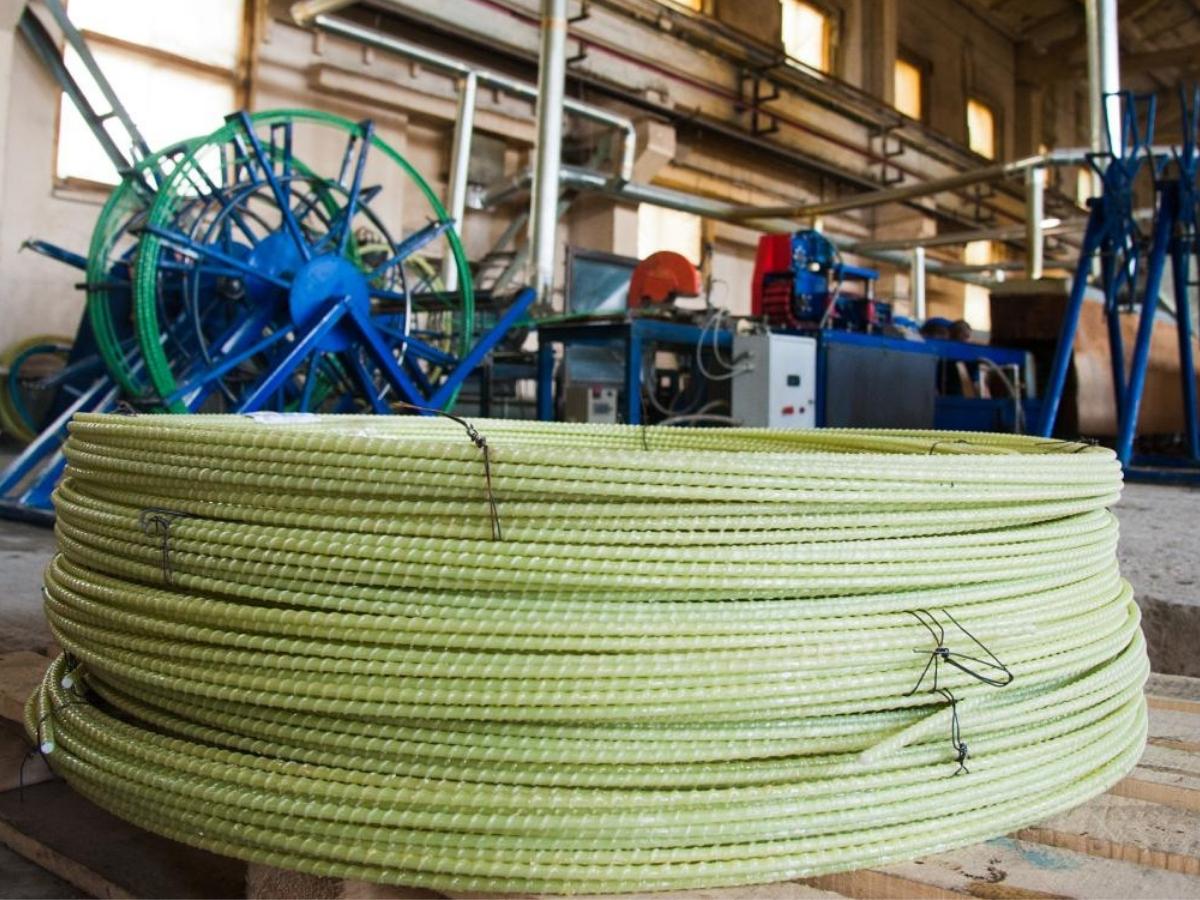
In my experience overseeing site procurement, the 12mm GFRP rebar price in India typically ranges between ₹140 to ₹170 per kilogram, depending heavily on the resin matrix—vinyl ester is usually pricier but offers superior durability compared to polyester—and your order volume. Unlike standard TMT steel, where prices are tied to daily commodity indices, GFRP pricing is driven by manufacturing scale and fiber content.
When evaluating costs, it is a mistake to compare the sticker price of steel directly to GFRP. I often remind project managers that our GFRP vs Steel Rebar Cost Comparison highlights that the true value lies in long-term maintenance savings. Because GFRP is roughly one-fourth the weight of steel, you see immediate, significant reductions in logistics and site handling expenses. These savings often offset the initial material cost gap.
Practically speaking, if you are working on coastal infrastructure or chemical plants, the corrosion resistance is non-negotiable. I have seen projects where steel reinforcement needed major repairs within five years due to chloride ingress; GFRP eliminates that risk entirely. When sourcing, ensure the manufacturer complies with standards like ACI 440.1R to guarantee the tensile strength and bond characteristics meet your structural requirements. Always remember, a slightly higher upfront investment in high-quality resin pays for itself by preventing future structural degradation.
Understanding 12mm GFRP Rebar Specifications and Standards
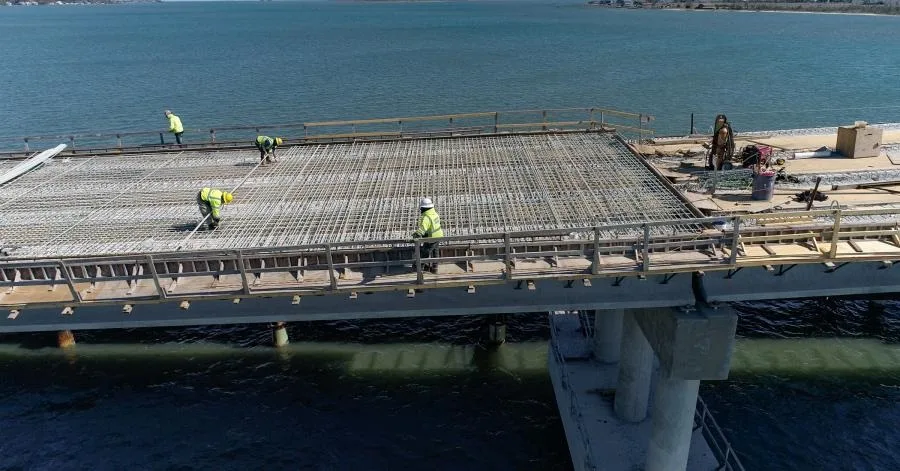
When selecting materials for corrosion-prone environments, you cannot simply swap steel for composites without verifying technical benchmarks. As an engineer, I prioritise performance over marketing claims. The 12mm GFRP rebar specifications are typically governed by ACI 440.1R guidelines or equivalent international standards, ensuring the bar provides the necessary tensile strength and modulus of elasticity for your structural design.
Before procurement, always confirm the bar’s actual cross-sectional area and bond strength. Unlike steel, GFRP is anisotropic; its strength is heavily dependent on the fiber volume fraction. Honestly, a common mistake I see on sites is assuming all 12mm bars are identical. You must verify that the surface profile—whether sand-coated or helically wrapped—is compatible with your concrete mix to ensure proper mechanical interlocking.
While evaluating the 12mm GFRP rebar price in India, consider these critical technical checks:
- Tensile Strength: Ensure it meets the minimum guaranteed value (typically >1000 MPa).
- Diameter Consistency: Check for deviations; uniform diameter is vital for bond development.
- Moisture Absorption: Verify it complies with standards to prevent long-term degradation.
If you are still weighing the financial implications versus conventional steel, it is worth reviewing our GFRP vs Steel Rebar Cost Comparison, which helps contextualize the initial capital expenditure against the long-term maintenance savings. Always ask for a manufacturer’s test certificate that specifically references the batch you are ordering, as quality control variations can significantly impact structural integrity.
GFRP vs Steel Rebar Cost Analysis for 12mm Diameter
When evaluating the 12mm GFRP rebar price in India, it is a mistake to look only at the initial invoice. Yes, per meter, a high-quality GFRP bar is typically 15-25% more expensive than a standard Fe500 TMT bar. However, site engineers know that the procurement price is only one part of the story.
In coastal areas or chemical plants, steel rebars suffer from oxidation, leading to concrete spalling and expensive structural repairs within 5-10 years. GFRP is inherently corrosion-resistant, eliminating the need for epoxy coatings or increased concrete cover. When you perform a life-cycle cost analysis, the total cost of ownership for GFRP is significantly lower because maintenance costs drop to near zero.
Consider these practical site factors:
- Labor Savings: GFRP is roughly one-fourth the weight of steel, which drastically speeds up installation and reduces site fatigue.
- Concrete Cover: Because you don’t need extra cover for corrosion protection, you can often reduce the total concrete volume in large-scale projects.
- Specifications: Design must follow ACI 440.1R guidelines, as GFRP behaves differently under tension compared to steel.
Honestly, I have seen projects in Mumbai’s salt-heavy air where the maintenance budget saved in the first five years alone paid for the premium paid on GFRP. If you are building for longevity, the upfront price difference is a small insurance premium against future structural failure.
GFRP Rebar Advantages and Disadvantages for Structural Use
In my years managing site logistics, I have seen firsthand that choosing reinforcement goes beyond just looking at the 12mm gfrp rebar price in india. The primary advantage of Glass Fiber Reinforced Polymer (GFRP) is its superior tensile strength—often double that of traditional steel—combined with a weight that is roughly one-quarter of steel bars. This significantly reduces labor fatigue and crane time during installation. Furthermore, its immunity to chloride-ion corrosion makes it ideal for coastal projects or bridge decks, as outlined in ACI 440.1R guidelines.
However, the transition from steel to GFRP requires a shift in site culture. You cannot bend GFRP on-site; all bends must be factory-manufactured to the required geometry. If you try to heat and bend them like mild steel, you will destroy the structural integrity of the resin matrix. Additionally, while the material is lightweight, it is brittle under shear, meaning care must be taken during unloading to avoid impact damage.
Ultimately, these factors impact your project budget differently than steel. While the upfront material cost might appear higher, the reduced maintenance over the structure’s lifespan often makes it more economical, a point explored in our life-cycle analysis. Honestly, if you are working on a project with aggressive soil conditions, the handling inconvenience is a small price to pay for a structure that will not rust in fifty years.
Where to Buy GFRP Rebar: Sourcing Tips for Contractors
Sourcing quality material is the biggest headache for a site engineer. When you start looking for where to buy GFRP rebar, don’t just chase the lowest quote. You need a manufacturer who maintains consistent resin-to-fiber ratios—crucial for meeting the performance metrics outlined in ACI 440.1R standards. Honestly, I have seen too many projects stalled because the supplier couldn’t meet the delivery schedule for 12mm bars.
Before signing a purchase order, ask these three questions:
- Do you have third-party test reports? Ensure their bars comply with relevant international or emerging Indian standards for tensile strength and bond stress.
- What is your daily production capacity? For large-scale projects, you need assurance that they can handle bulk orders without compromising on quality control.
- How are they shipped? GFRP is lightweight but requires careful handling during transit to prevent surface damage, which can compromise long-term durability.
While the initial 12mm GFRP rebar price in India might seem higher than conventional steel, you must evaluate the long-term savings in maintenance and concrete cover reduction. If you are comparing bottom-line costs, check our GFRP vs Steel Rebar Cost Comparison for a realistic look at the life-cycle value. Always visit the manufacturing facility if possible; seeing the pultrusion line in operation tells you more about their reliability than any glossy brochure ever will.
FAQ: Common Questions About 12mm GFRP Rebar
What is the HSN code for GFRP rebar?
In India, GFRP rebars are generally classified under HSN code 7019, specifically under glass fibers and articles thereof. It is always wise to confirm the exact classification with your supplier, as tax rates can vary based on specific resin compositions.
How does GFRP rebar perform in seismic zones?
GFRP is linearly elastic until failure, meaning it does not yield like steel. While this requires careful structural design per ACI 440.1R guidelines, its excellent strength-to-weight ratio helps reduce the seismic mass of a structure, which is a major advantage during an earthquake.
Can 12mm GFRP replace 12mm steel directly?
No, you cannot perform a simple one-to-one swap. Because GFRP has a lower modulus of elasticity than steel, you must redesign the section based on serviceability limits like deflection and crack control. Honestly, treating it like a direct replacement is a recipe for excessive structural sagging.
Why is GFRP becoming popular in India?
Corrosion resistance is the primary driver. With the gfrp vs steel rebar cost in india showing long-term savings in maintenance-heavy environments like coastal zones or chemical plants, engineers are increasingly choosing it. When considering the 12mm GFRP rebar price in india, keep in mind that you are paying for a material that effectively eliminates concrete spalling caused by rusting reinforcement.
Conclusion: Making the Switch to GFRP Reinforcement
Transitioning from traditional steel to GFRP is not just about material selection; it is about adopting a long-term strategy for infrastructure durability. While the initial 12mm GFRP rebar price in India might seem higher compared to conventional TMT bars, the life-cycle savings—driven by zero corrosion and lower maintenance—are significant. For a detailed breakdown, you can review our life-cycle cost analysis to see how the numbers hold up over time.
If you are considering this switch for your next project, follow these actionable steps:
- Request Technical Data Sheets: Always verify that the material complies with international standards like ACI 440.1R, as Indian standards are still evolving.
- Obtain Competitive Quotes: Reach out to multiple vetted vendors to compare the current market rate per kg.
- Conduct a Trial Application: Honestly, the best way to understand the handling benefits is to use it on a small, non-structural element first. You will quickly notice how the lighter weight reduces labor fatigue and speeds up site logistics.
By moving beyond the initial purchase price and focusing on durability, you position your projects to handle harsh environmental conditions far better than steel ever could. Start small, verify the specifications, and let the site performance speak for itself.